
The Circular Transmission of Material Tactility
The Reclaimed Construction Site Workplace Tour recently welcomed representatives from the New Taipei City Cultural Foundation and consultants from MASTERY MANAGEMENT CONSULTING . The discussion extended from construction waste to cultural sustainability.
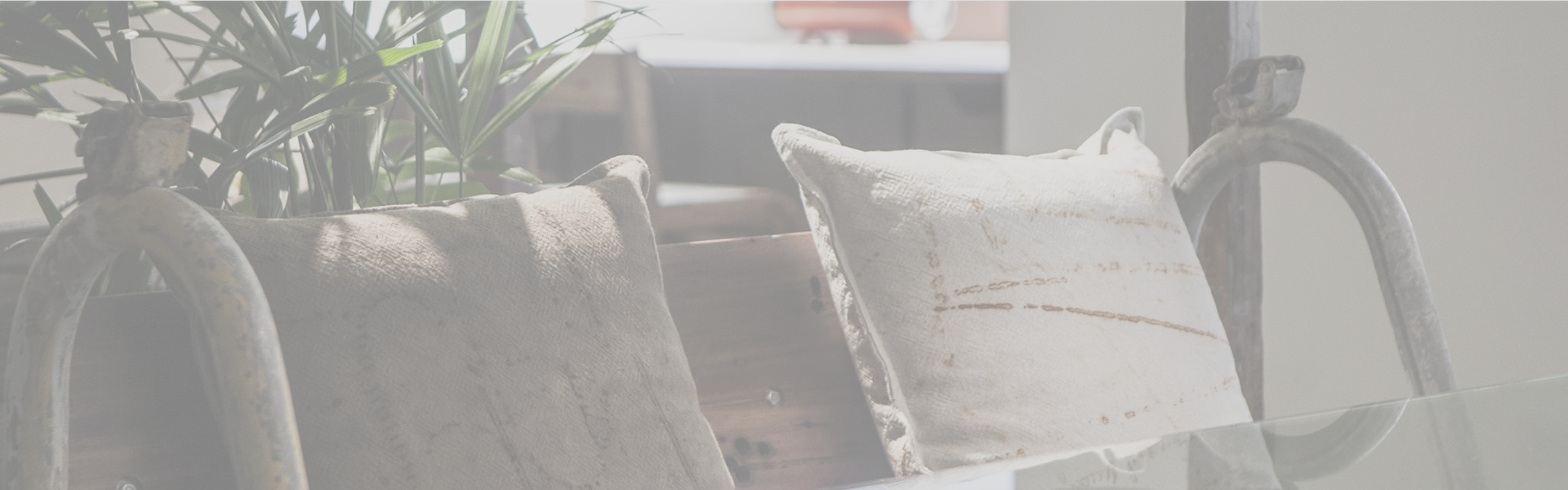
As participants were introduced to the seating and tabletop materials in the Reclaimed Workplace 1.0—made from discarded construction formwork and dust- and fall-prevention nets—they were unconsciously drawn closer, reaching out to touch and bending down to examine them closely. They tried to identify “what these materials used to be” through textures and color blocks.
This instinctive reaction allowed circular materials to go beyond being merely explained—they were truly seen and felt.

In the shared pantry and resting areas, participants encountered reclaimed designs meant for everyday use: long tables crafted from recycled construction wood, regenerated metal table legs, and lighting integrated with plants and natural light. As they sat, tested, and photographed the space, conversations naturally turned to how such spatial experiences could be translated into educational programs. For arts and cultural practitioners, learning about sustainability was no longer just about listening to concepts—it was about tangibly experiencing how circular design can be part of daily life.

Visual Installations as Intuitive Media for Sustainability
In the 2.0 shared space, a suspended installation composed of wooden and stone blocks was introduced. These materials were originally small leftover pieces from construction sites, reassembled into what is described as “Torch on the Table—Creativity Made to Float.”
The Cultural Foundation representatives showed particular interest in this mode of translation and discussed the possibility of integrating artistic exhibitions with sustainability education in future curricula—allowing audiences to understand the circular economy at a glance through visual installations.

Discussions on site quickly moved toward “how sustainability can be clearly communicated.” From material sourcing and remanufacturing processes to contextual use, these became tangible examples for promoting sustainability within cultural settings in the future.

Bringing Circular Practices into Cultural Spaces
The final stop was the display wall showcasing the “reversal” and “vitality” of reclaimed construction sites. The conversation expanded from material usage volumes to carbon reduction and waste minimization strategies. For both parties, this visit served as a preliminary dialogue—after seeing real-world cases, new possibilities began to emerge. Whether through co-hosted sustainability tour programs or jointly curated projects, there is strong potential to translate construction-site reclamation experience into cultural contexts, transforming it into content that is practical, teachable, and actionable.

Visual Documentation: FARGLORY LAND DEVELOPMENT, Sustainability Strategy Development Office
Text Editing: Yi-Ting Chen