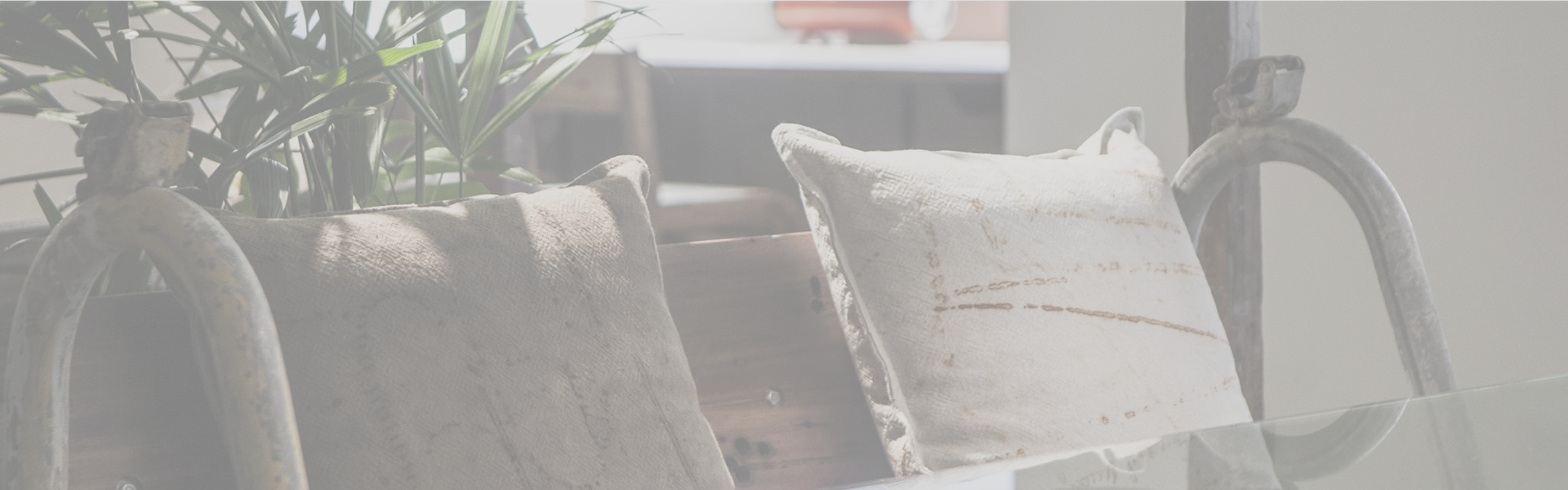

After the shared space of Construction Waste Upcycling Project 1.0 was completed, the reactions were mixed. Some colleagues found it refreshing. Others questioned it: Why use construction waste? Why make the office look like a construction site?
Complaints and doubts are not necessarily negative. Sometimes, they are simply the beginning of conversation. FG Next had been in preparation since 2017, with weekly meetings devoted to discussion and debate, gradually shaping Farglory’s direction toward “sustainability” and “sharing”. The 1.0 shared space was the first attempt to bring the idea of circular regeneration in architecture into the workplace. When a concept moves from discussion into everyday reality—when it becomes part of where people work—it naturally invites people to feel, to reflect, and even to question. That, too, is part of cultural change.

A year and a half after the space was completed, the META Design team shared good news: the project had received Japan’s Good Design Award.
In fact, the team had submitted the project in its first year and successfully advanced to the final review, but did not win at that time. However, one key question from the judges stayed with us: “Can a one-time project like this create broader impact for the industry or the environment?” Rather than discouraging us, it reassured us that we were on the right path. What we set out to do was never a single office renovation, but a long-term exploration—over the next fifty years—of sustainability and shared value at Farglory.
We continued. The following year, we submitted the 2.0 phase and received recognition. And we did not stop there. Phases 2.0, 3.0, and 4.0 followed, expanding from our own workplace into the reception center and eventually into actual development projects.
Looking back, the doubts and discussions that surrounded the completion of 1.0 did not slow the project down. Instead, they helped clarify our direction. Change takes time, and it requires ongoing testing and adjustment. The differing voices and the process of working through them were not obstacles—they were part of the journey itself.
Photo Credit: META Design
Editor: Shih Yi Feng